
RPE in the Workplace
A comprehensive guide to respiratory protective equipment: types, testing, fitting, legal requirements, and best practices.
What is RPE?
RPE (Respiratory Protective Equipment) is designed to protect the wearer against inhalation of hazardous substances in the air. Most respirators are a filtering device, using a filter to remove contaminants in the workplace air.
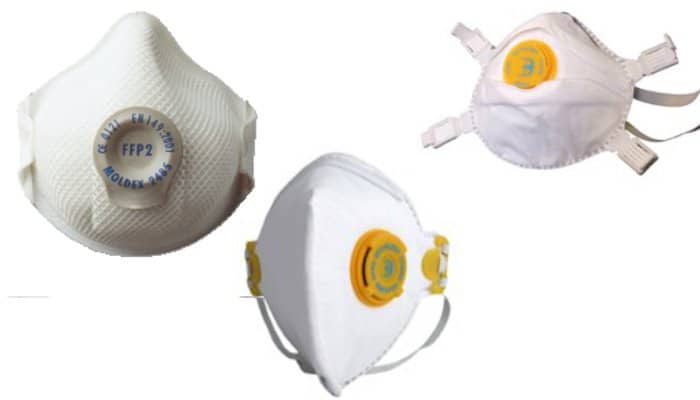
FFPs (Disposable)
Filtering Face Pieces: lightweight disposable masks for protection against particles.
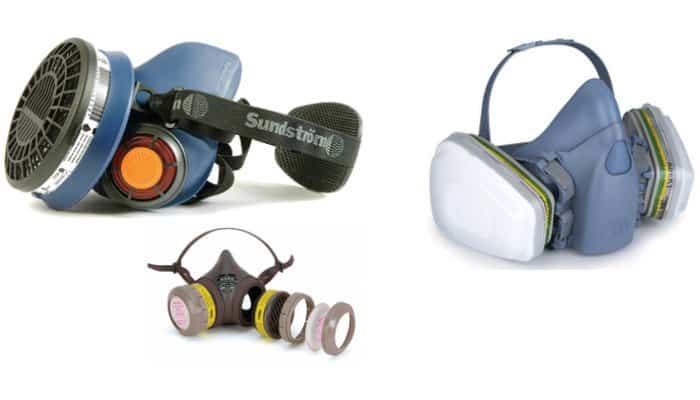
Half Mask Respirators
Reusable masks covering the nose and mouth, used with replaceable filters.
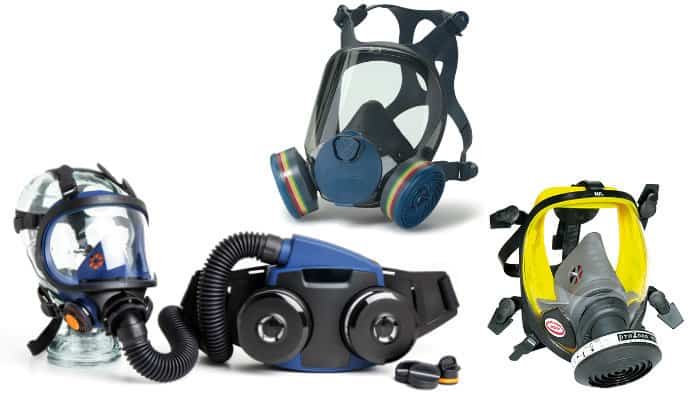
Full Face Respirators
Full face coverage with visor, providing eye and respiratory protection.
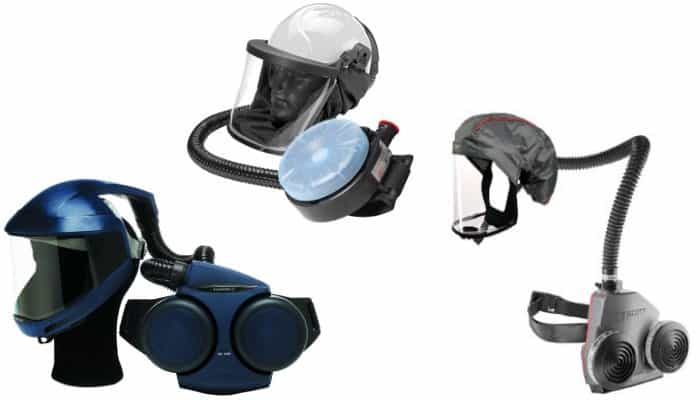
Loose Fitting
Powered air-purifying respirators with hoods or helmets. No face seal required.
Face Fit Testing is Required
Before wearing any tight-fitting RPE for the first time, a Face Fit Test MUST be performed!
COSHH Regulation requires Face Fit Testing using Quantitative or Qualitative methods, following HSE INDG 479 and the Fit2Fit Companion guidance.
Face fit testing should be repeated every 2 years (annually for asbestos work). You must also retest if your face dimensions change due to surgery, major dental work, weight gain/loss, moles or scarring.
Types of Face Fit Testing
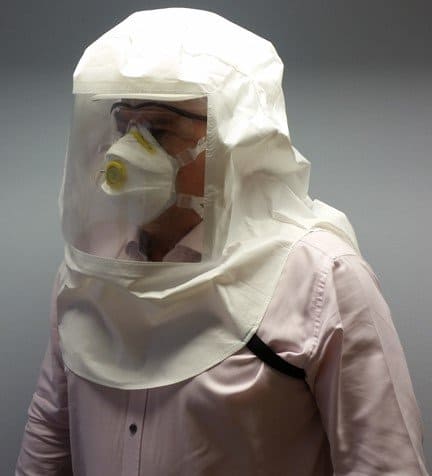
Qualitative (Taste Method)
Subjective test using the wearer's sense of taste to detect leakage. Suitable for FFPs (disposables) and half masks.
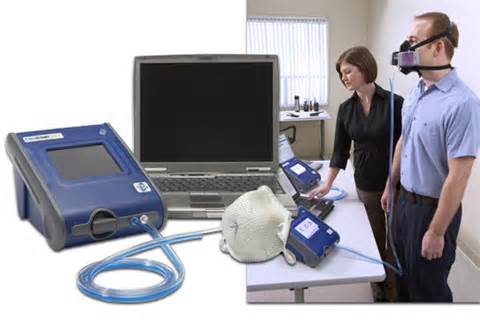
Quantitative
Objective test using particle counting (APC, Ambient Particle Counting) or controlled negative pressure (CNP). Provides a numerical Fit Factor result. Suitable for all tight-fitting mask types.
Fitting the Mask Correctly and Pre-Checks
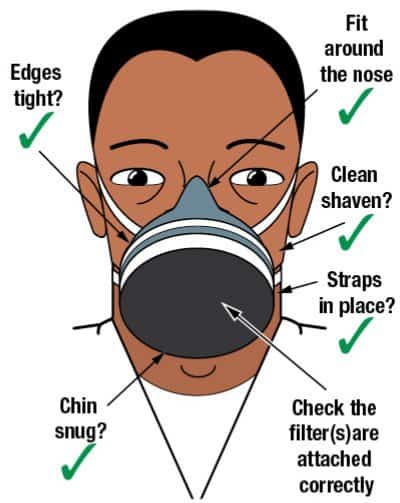
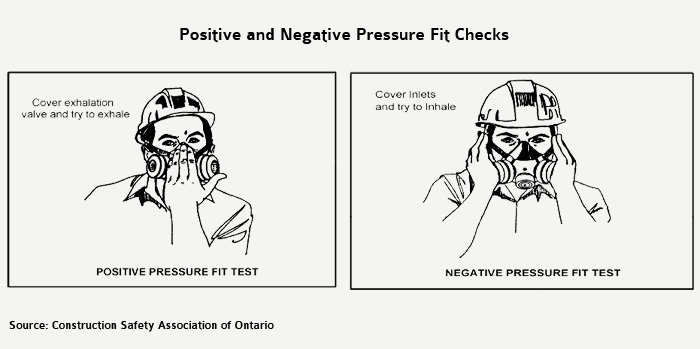
Make sure you have no facial hair in the area of the mask seal at the start of your shift and always check the fit before use. This applies to all tight-fitting RPE: FFPs (disposables), half masks, and full face masks.
Filters
Remember: Particle filters do not protect against gas or vapour. P3 filters offer 99.95% protection and last until the manufacturer's shelf life date in sealed bags. Change filters when you struggle to breathe, they are damaged, or the manufacturer's recommended usage time is exceeded.
Gas/vapour filters do not protect against particles. Change when damaged, at manufacturer's usage time, or per risk assessment exposure limits.
Warning: DO NOT USE any filtering respirator in oxygen-deficient atmospheres: less than 19.5% oxygen by volume at sea level, in poorly ventilated areas, or in confined spaces.
Preventable Occupational Cancer
Asbestos is the biggest killer, with deaths from mesothelioma alone outnumbering fatal road accidents in the UK. These figures are rising. It is all our duty and responsibility to take action.
No Facial Hair in the Seal Area
Hazards are smaller than a human hair and masks cannot seal against facial hair. The mask must seal on skin with no facial hair in the area of the seal. Hair cannot interfere with the seal.
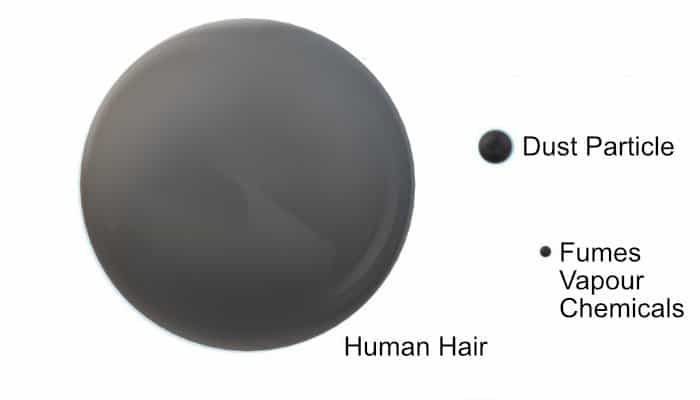
Moustaches, goatee beards, and sideburns must be kept trimmed so they don't interfere with the mask seal.
Alternatives for Facial Hair
Powered loose-fitting headpieces (hoods and helmets) are available as an alternative for workers with facial hair, as they do not require a face seal.
Is This a Legal Requirement?
YES!
Health and Safety Act 1974
In addition to the COSHH Regulations 2002, RPE may need to be used to satisfy requirements in the following legislation:
- COSHH: Control of Substances Hazardous to Health
- CLAW: Control of Lead at Work Regulations
- CAR 2012: Control of Asbestos at Work Regulation
- IRR: The Ionising Radiations Regulations
- CSR: The Confined Spaces Regulation
Approved Codes of Practice (ACOPs)
ACOPs give practical guidance on compliance and have a special status in law. If you are prosecuted for a breach of health and safety law and it is proved that you did not follow the relevant provisions of the code, you will need to show that you have complied with the law in some other way or a court will find you at fault.
For RPE use not covered by the above regulations, employers and employees have duties under the 1992 HSG 53 Personal Protective Equipment at Work Regulations.
Cleaning & Storage
After doffing, RPE should be wiped over with a non-alcoholic wet wipe or wet cloth to remove all contaminants. Wipe with a dry cloth to remove moisture, then dispose of or cap off filters. It is then ready for storage.
All RPE should be stored in sealed bags or boxes once cleaned to prevent cross-contamination. Filters should be disposed of or capped off to stop exposure going back into the mask.
Record Keeping
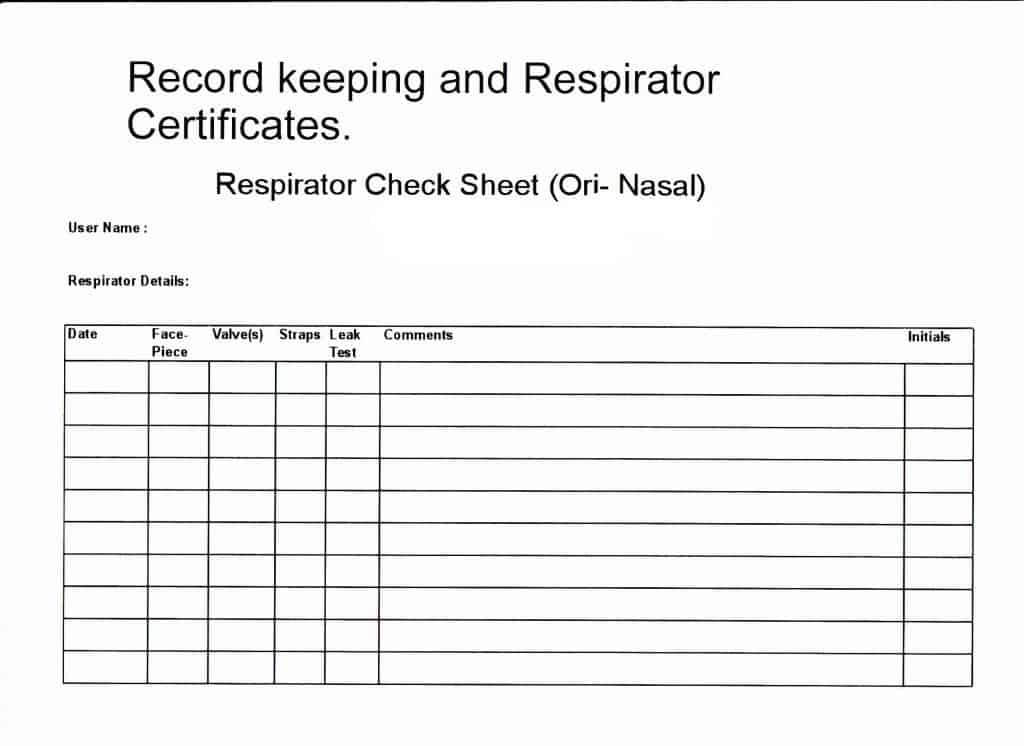
When working with asbestos, RPE use must be documented every time by the wearer.
Working with Asbestos: Regulation 13 ACOPs
Employers must ensure that exhaust ventilation equipment or RPE (except disposable) is subject to thorough examination and testing at suitable intervals by a competent person. Records of these examinations and any repairs must be kept available for at least 5 years.
Useful Information Documents
- COSHH 2002: Control of Substances Hazardous to Health
- COSHH ACOPs Pages 40-41
- Control of Asbestos Regulations 2012 (L 143)
- Regulation 13 ACOPs (Control of Asbestos Regulation 2012)
- HSE INDG 478 with the Fit2Fit Companions
- HSG 53: Respiratory Protective Equipment at Work
- Full Face Respirators: EN 136, EN141, EN143 & EN371
- EN12941 Head-Tops (Hoods)
- EN 12942 Masks
- EN 529.2005 Respiratory Devices
- Half Mask Respirators EN 140
- Filters: EN 143, EN 141 & EN 371
Need Face Fit Testing or Training?
We provide on-site testing and training across the UK. Get in touch for a quote.